


Every winter, Indianapolis homeowners spread rock salt and deicing chemicals on their driveways, walkways, and patios. It keeps things safe — but it's quietly destroying the concrete underneath. Salt damage is the number-one cause of driveway deterioration in Central Indiana, and most homeowners don't realize it's happening until it's too late. (Watch for the 5 signs your driveway needs to be sealed.)
The short answer: yes, concrete sealing prevents salt damage — but not all sealers are equal. If you're weighing your options, see our guide on choosing between concrete staining and sealing. Here's how it works and what Indianapolis homeowners need to know.
Salt itself doesn't eat through concrete — the damage is more subtle than that. Here's the process:
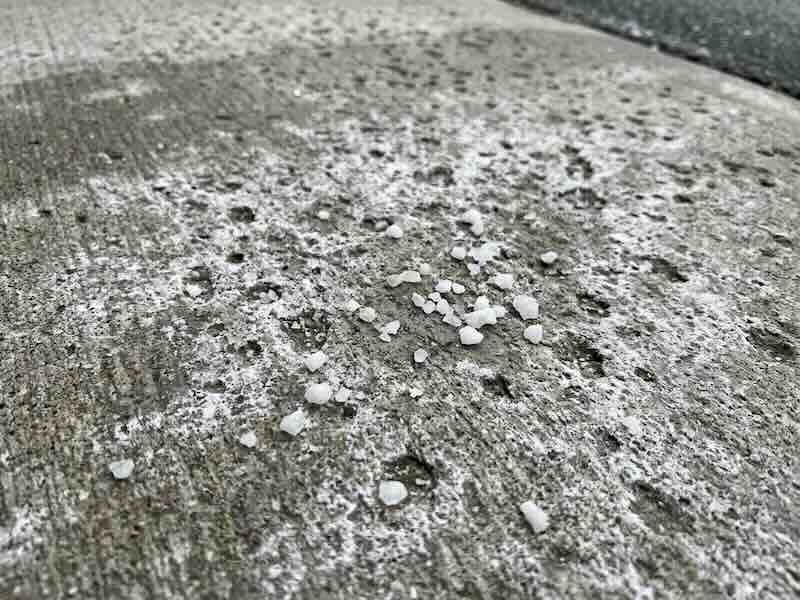
Beyond the physical damage, salt also drives chloride ion penetration — the chloride works its way into the concrete matrix and can corrode reinforcing steel in structural concrete. For residential driveways, the visible surface damage is usually the primary concern.
A penetrating concrete sealer works by blocking the entry point. If salt water can't get into the concrete, it can't cause damage from the inside. Here's how different sealers handle salt:
Our penetrating sealer absorbs into the concrete and reacts chemically inside the pore structure, so the protection lives within the slab — not as a coating on top. Against salt, that works two ways:
Because the sealer bonds chemically inside the concrete, it leaves the surface looking completely natural — no film, no shine, no change in appearance — and it can't peel, flake, or wear off the way a coating does. That's what stands behind our 25-year product guarantee.
Acrylic and other topical sealers sit on top of the concrete as a thin film. They provide some salt protection by creating a physical barrier on the surface, but they have real limitations:
For salt protection in Indianapolis, a penetrating sealer is the better long-term investment.
A penetrating sealer blocks salt and chloride for the long haul — backed by our 25-year guarantee. Free on-site estimate across Indianapolis and Central Indiana.
Get a Free Quote →Some homeowners switch to “concrete-safe” deicers to avoid damage. Here's what to know:
The reality: if you live in Indianapolis, you're going to use salt. Your neighbors use it, the city trucks spray it, and it gets tracked onto your property regardless. Sealing your concrete is the most reliable way to protect it — no matter what ends up on the surface.
Timing matters. The best time to seal your concrete for winter salt protection is:
Seal Now's penetrating sealer needs dry conditions and temperatures above 50°F to cure properly. We apply it year-round when conditions allow — typically April through November in Central Indiana.
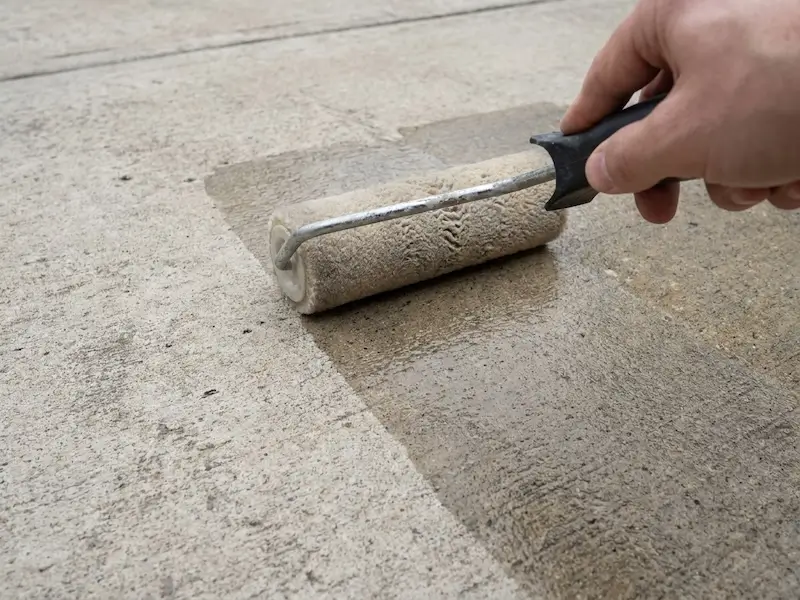
Salt damage is cumulative and irreversible. Once the surface starts pitting and spalling, you can't undo it — you can only stop it from getting worse. Here's the math:
Sealing is the cheapest option by a wide margin, and it prevents the need for the expensive ones later.
Every sealing project starts the same way:
We serve Indianapolis, Carmel, Fishers, and communities throughout Central Indiana. Call (317) 548-2002 or request your free quote online.
Yes — that's the whole point. Sealing lets you use salt for safety without it destroying your concrete. The sealer blocks the salt water from penetrating into the pores where it causes damage.
No — sealing prevents future damage but doesn't reverse existing pitting or spalling. If damage is minor, sealing stops it from getting worse. If it's severe, resurfacing may be needed before sealing.
Seal Now's penetrating sealer is backed by a 25-year manufacturer guarantee. Unlike topical sealers that wear off in 1–3 years, penetrating sealers chemically bond with the concrete and don't degrade from surface wear.
Our 25-year product guarantee covers the sealer itself — it won't peel, flake, or wear off. The sealer is specifically designed to resist chloride penetration and the freeze-thaw damage caused by deicing salts.
Before winter is ideal — seal in late summer or early fall so the sealer is fully cured before the first freeze and salt application. Spring sealing after salt season is the next best option.
Road salt is unavoidable in Indianapolis — but the damage isn't. A penetrating sealer blocks salt and chloride from soaking into the slab, stopping the freeze-thaw cycle that causes pitting and spalling. Seal before the damage starts, and you protect your driveway for decades instead of replacing it.
Related reading:
Free on-site estimates, same-week scheduling, and a 25-year product guarantee on every penetrating sealing job. Get ahead of the salt before next winter — across Indianapolis and Central Indiana.