


Your concrete driveway takes a beating every single day — sun, rain, snow, salt, car tires, and Indiana's brutal freeze-thaw cycles all work against it. The damage doesn't happen overnight, but by the time it's obvious, the repair bill is a lot bigger than the cost of sealing would have been.
Here are five warning signs your concrete driveway is telling you it needs to be sealed — and what you can do about each one.
Hairline cracks in concrete are common, especially in Indianapolis where temperature swings between seasons are extreme. But when those cracks start growing — getting wider, branching out, or multiplying — it means water is getting inside the concrete and expanding when it freezes.
This is classic freeze-thaw damage, and it accelerates fast once it starts. Indianapolis averages over 100 freeze-thaw cycles per winter, and every cycle makes existing cracks worse.
What to do: If the cracks are still hairline to moderate (under ¼ inch), sealing now can stop them from spreading. A penetrating concrete sealer blocks moisture from getting in, which stops the freeze-thaw cycle from doing further damage. If cracks are large or structural, repair first — then seal.
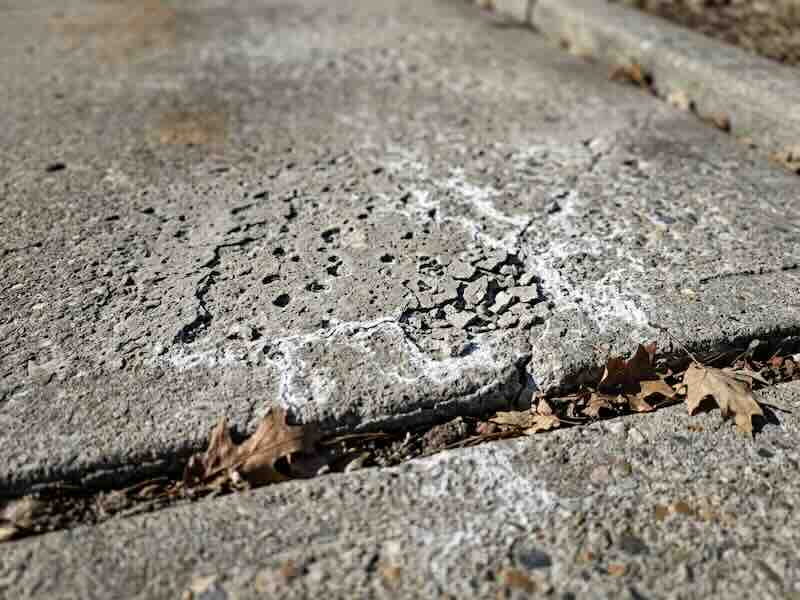
Pitting looks like small holes or rough, pockmarked areas on your driveway surface. Spalling is when chunks of the surface start flaking off, leaving rough, uneven patches. Both are signs that the top layer of your concrete is deteriorating.
The most common cause in Central Indiana? Deicing salt. Road salt and calcium chloride are incredibly aggressive on concrete surfaces. Salt draws moisture into the pores, then when that moisture freezes, the surface layer pops off.
What to do: Sealing creates a barrier that dramatically reduces salt and chloride penetration. Seal Now's penetrating sealer fills and hardens the pore structure from within, blocking moisture and dissolved salts from soaking into the slab — preventing the conditions that cause pitting and spalling in the first place.
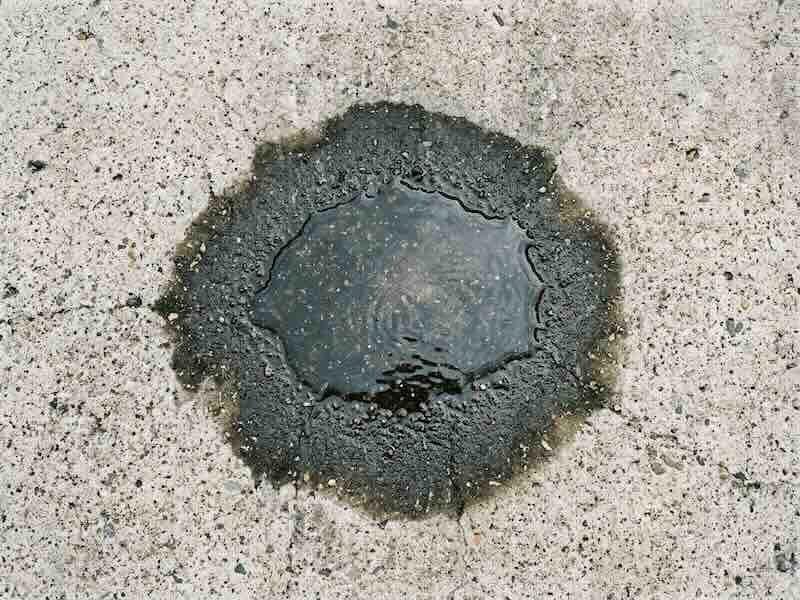
Here's a quick test anyone can do: pour a small amount of water on your driveway or patio. Watch what happens over the next 30–60 seconds.
If the water sits on the surface and slowly evaporates without soaking in, your concrete's pore structure is still protected. If it absorbs quickly and you see the concrete darken where the water landed, the protection has worn off — moisture, salt, and contaminants are getting in.
A penetrating sealer works by filling and hardening the pore structure from within, so water can't penetrate. Once that barrier breaks down, your concrete is exposed to freeze-thaw damage, salt intrusion, and staining all over again. This test takes 30 seconds and tells you exactly where you stand.
If your driveway has uneven coloring — dark patches, oil stains that won't wash out, or a chalky white film — the concrete is telling you it's absorbing contaminants.
The white residue is called efflorescence. It happens when water moves through the concrete, dissolves minerals inside, and deposits them on the surface as it evaporates. It's not just ugly — it's proof that water is freely moving through your slab.
Oil stains that penetrate deep are another sign. Sealed concrete resists oil absorption because the pores are already occupied by the sealer.
What to do: Professional cleaning followed by a penetrating sealer will stop efflorescence and prevent future staining. The sealer resists oil, dirt, and dissolved minerals from penetrating the surface.
This one is straightforward. If your concrete is more than a couple of years old and has never been professionally sealed, it's been unprotected through multiple Indiana winters. Even if it looks fine on the surface, moisture and salt have likely been working their way into the pores.
The good news: it's almost never too late to seal. As long as the concrete is structurally sound (no major cracks or heaving), sealing now will protect it going forward and slow any damage that's already begun.
What to do: Get a free estimate from Seal Now. We'll assess your driveway's condition and recommend the right approach — whether that's sealing immediately or addressing repairs first.
We'll assess your concrete and tell you straight whether it needs sealing now or can wait. Free on-site estimate across Indianapolis and Central Indiana.
Get a Free Quote →Left unprotected, a concrete driveway in Indianapolis will typically show significant deterioration within 5–10 years. The progression looks like this:
Sealing your driveway costs a fraction of replacement — typically $1 to $3 per square foot — and protects it for years. It's one of the highest-ROI home maintenance investments you can make.
At Seal Now, we use a penetrating concrete sealer that chemically bonds with your concrete — it doesn't sit on top as a film that peels or wears off. Our sealer:
Every project starts with a professional pressure wash and surface prep, followed by sealer application to clean, dry concrete. It's a straightforward two-step process. Call us at (317) 548-2002 or request a free quote online.
Do the water test: pour a small amount of water on the surface and watch for 30–60 seconds. If it soaks in and darkens the concrete, the surface is unsealed or the previous sealer has worn off. If the water sits on top without darkening the concrete, it's still protected. One caveat — a penetrating sealer doesn't make water bead up like a wax coating, so judge by whether the concrete darkens, not by beading.
Yes, as long as the cracks are minor (under ¼ inch). Sealing prevents existing cracks from getting worse by blocking moisture penetration. For larger cracks, we recommend repair before sealing.
Sealing prevents future damage — it doesn't reverse damage that's already occurred. If your concrete has spalling or pitting, those areas won't fill in. But sealing stops the deterioration from progressing further.
New concrete should cure for at least 28 days before sealing. After that, the sooner you seal, the better — your new driveway is most vulnerable when it's brand new and has never been protected.
Absolutely — as long as the concrete is structurally sound. Sealing an older driveway that's still in decent shape is far cheaper than replacing it later. Even 10-year-old concrete benefits from sealing if it hasn't deteriorated too far.
Spreading cracks, pitting, fast water absorption, staining, or simply an unsealed driveway that's a few winters old — any one of these is your cue to seal. Catching it early is the difference between a low-cost sealing job and a four-figure replacement down the road.
Related reading:
Get a free, no-obligation estimate from Central Indiana's trusted sealing experts. Free estimates, same-week scheduling, and a 25-year product guarantee on every project.