



📍 Serving Indianapolis & Central Indiana   |   Mon–Fri 9AM–5PM

Choosing Between Concrete Staining and Sealing

Stain adds color. Sealer adds protection. Here's how to decide which your Indianapolis driveway, patio, or pool deck actually needs — and when you should do both.

If you’re planning a concrete project in Indianapolis, you’ll run into two main finishing options: staining and sealing. The terms get used interchangeably, but they do very different things — and most concrete surfaces benefit from both. This guide walks through what each one does, where each makes sense, and how to decide what your driveway, patio, or pool deck actually needs.

Staining vs. Sealing: What’s the Difference?

Before comparing specific products, it helps to separate what each one is actually doing. Staining and sealing serve very different roles in concrete treatment.

Quick Comparison Concrete Staining Concrete Sealing
Primary purpose Add color and decorative character Protect concrete from water, salt, stains, and wear
Visual effect Permanent color change — earthy tones to modern hues Clear or satin to high-gloss “wet look”
Best for Patios, pool decks, interior floors, accent areas Driveways, garage floors, patios, any exterior slab
Typical lifespan Color lasts indefinitely if sealed on top 3–5 years for standard sealers; up to 25 years with premium coatings
Maintenance Low — requires a sealer on top to preserve color Reseal every few years depending on product and traffic
Can be combined? Yes — stain first for color, then seal to lock in the look and add protection. Most decorative concrete projects use both.

What Staining Achieves

Concrete staining in Indianapolis with Seal Now’s Color Shield line offers 30+ UV-resistant color options. At Seal Now, staining is most commonly applied to patios and pool decks, where homeowners want to transform a plain concrete surface into something with character and warmth. The process introduces color and visual interest to your concrete, transforming its often monochromatic appearance into something more dynamic. This process isn’t about applying a surface layer that will wear away like paint. Instead, you are causing a chemical reaction or physically depositing pigments that penetrate the concrete itself.

The Role of Sealing

Sealing, conversely, is primarily about protection. You are creating a barrier on the surface of your concrete that shields it from environmental and physical aggressors. Think of it as a clear coat for your concrete, designed to extend its lifespan and maintain its appearance. While some sealers can add a degree of sheen, their core function remains safeguarding the underlying material.

When considering the best options for enhancing and protecting your concrete surfaces, it’s essential to understand the differences between concrete staining and sealing. For a deeper insight into this topic, you can refer to a related article that discusses the benefits and applications of each method. This resource can help you make an informed decision about which approach is best suited for your needs. To learn more, visit this article.

A Closer Look at Concrete Staining

Staining adds color to your concrete without hiding its natural character. Two main options cover most residential projects:

  • Acid-based stains — react chemically with the slab for variegated, stone-like tones
  • Water-based stains — deliver a wider color range with more predictable, uniform results

Acid-Based Stains: How Acid Stains Work

When you opt for acid-based stains, you are engaging in a chemical process. These stains contain metallic salts that react with the free lime (calcium hydroxide) present in the concrete. This reaction creates insoluble colored precipitates within the concrete’s pores.

Unique Color Variations

The nature of this chemical reaction means that the final color is not entirely predictable. You won’t get a uniform, opaque color. Instead, you’ll see translucent, variegated tones that often mimic natural stone, leather, or wood. This organic, mottled effect is a significant draw for many, as it lends a unique character to each slab. The specific color achieved will depend on the concrete’s composition, age, and existing porosity. This is why you should always perform a test patch before committing to a larger area.

Permanent Integration

A key advantage of acid-based stains is their permanence. Because the color is created through a chemical reaction within the concrete itself, it won’t chip, peel, or fade in the same way surface coatings might. The color becomes an integral part of the concrete. This permanence contributes to their enduring appeal and low maintenance requirements over time.

Water-Based Stains: Predictable Color Results

If you’re seeking a more consistent and controlled coloration, water-based stains are an excellent alternative. Unlike their acid-based counterparts, these stains don’t rely on a chemical reaction with the concrete.

Pigment Penetration

Water-based stains contain finely ground pigments suspended in a water-based carrier. When applied, these pigments penetrate the pores of the concrete, offering a more solid and uniform color application. You’ll find a broader spectrum of color options available with water-based stains, including vibrant blues, greens, and reds, which are difficult or impossible to achieve with acid stains.

Predictable Outcomes

The key benefit here is predictability. You have a much clearer idea of the final color you will achieve, making them ideal for projects where color consistency across larger areas matters most. While they penetrate the concrete, their adhesion and longevity are still contingent on proper surface preparation and, crucially, subsequent sealing.

Staining’s Limitations: Not a Flaw Concealer

It’s important to manage your expectations when choosing staining. While it enhances the aesthetic appeal, it does not act as a restorative agent for damaged concrete. Staining will not hide cracks, spalling, or other significant surface imperfections. In fact, due to its translucent nature, staining can sometimes highlight these flaws, drawing more attention to them. It’s also worth noting where staining fits in real-world service: most Seal Now stain jobs are patios and pool decks, not driveways. Driveways see heavy wear and vehicle traffic, so homeowners get better value from a protective sealer than a decorative stain. If your concrete has notable blemishes, you might need to consider repair or resurfacing options before staining or accept that these imperfections will remain visible.

Why Sealing Matters

Warm tan stained concrete pool deck at an Indianapolis home

Once you’ve invested in staining, or even if you prefer the natural look of concrete, concrete sealing becomes a critical step. While staining is about beauty, sealing is about longevity and protection.

Enhanced Durability: Beyond Basic Protection

You might think of sealing as merely preventing water absorption, but modern sealers and, more effectively, coatings, offer substantially more. When you apply a sealer, you’re creating a protective layer that elevates concrete’s resistance to a range of damaging elements:

  • Water and freeze-thaw cycles — stops moisture that causes spalling and surface breakdown
  • Oil, grease, and chemical stains — keeps spills on the surface where they can be wiped away
  • UV exposure — protects color and slows surface wear in outdoor areas
  • Abrasion and foot traffic — extends the life of high-use patios, pool decks, and driveways

Moisture Resistance

The most fundamental purpose of a sealer is to repel water. Concrete is porous, and without protection, it absorbs moisture, leading to issues like freeze-thaw damage in Indianapolis winters, damage from road salt, efflorescence (white powdery deposits), and the growth of mold or mildew. A good sealer reduces this absorption.

Stain Protection

Beyond water, sealers create a barrier against common household and outdoor stains. Oil, grease, food spills, and even chemicals can be wiped away more easily from a sealed surface, preventing permanent discoloration. This is important for high-traffic areas or spaces prone to spills, such as kitchens, garages, and patios.

Abrasion Resistance

While sealers do offer some protection against abrasion, it’s worth noting that this is where the distinction between sealers and more robust coatings becomes significant. Basic sealers provide a degree of surface hardness, making the concrete less susceptible to scratches and wear from foot traffic or moving objects. However, for genuinely high-traffic or industrial applications, you might look towards more advanced coating systems.

UV Protection

Many quality sealers also incorporate UV inhibitors. The sun’s ultraviolet rays can cause concrete to break down, fade, or yellow over time. A UV-resistant sealer helps to preserve the color and integrity of your concrete, crucial for outdoor applications.

Types of Sealers: Finishes and Protection Options

The market offers various types of sealers, each with its own characteristics and ideal applications. Your choice will depend on the desired aesthetic, level of protection, and maintenance expectations.

Topical Sealers: Gloss and Wet Look

Topical sealers form a protective film on the surface of the concrete. These are often acrylic-based and can impart a range of finishes, from a subtle satin to a high-gloss, “wet look.”

Aesthetic Enhancement

If you’ve stained your concrete, a topical sealer, one designed to enhance color, will make those hues pop. The gloss can add a premium touch and make the surface appear richer and deeper. This is a popular choice for decorative concrete applications where visual impact is a priority.

Surface Protection

These sealers are excellent at repelling water and stains because they create a non-porous layer on top. They offer good UV resistance as well. However, because they sit on the surface, they are more susceptible to wear from foot traffic and can be scratched or abraded over time. They tend to require more frequent reapplication compared to penetrating sealers, possibly every 2-5 years depending on traffic and exposure.

Penetrating Sealers: Invisible Strength

As their name suggests, penetrating sealers don’t form a surface film. Instead, they soak into the pores of the concrete, reacting chemically to create a hydrophobic barrier within the concrete itself.

Natural Appearance

The primary advantage of penetrating sealers is that they leave the concrete looking largely unchanged. They don’t add gloss or alter the color, making them ideal if you prefer a natural, matte finish. This is often the preferred choice for industrial settings or areas where a non-slip surface is crucial, as topical sealers can sometimes make surfaces slick when wet.

Long-Lasting Protection

Because they work from within, penetrating sealers are extremely durable. They are not susceptible to peeling, flaking, or delaminating since there’s no surface film to be compromised. While they are highly effective at repelling water and chemicals, their stain resistance might not be as immediate as a topical sealer, as spills can still temporarily sit on the unsealed surface before being absorbed. Reapplication generally occurs less frequently, sometimes every 5-10 years.

Stain-Sealer Combinations: The Efficiency Factor

To streamline the process and achieve both color and protection in one step, some manufacturers offer stain-sealer combination products. These are often water-based acrylics that contain pigments.

Single-Step Convenience

The main benefit here is efficiency. You apply one product, and it both colors and seals the concrete. This can save time and labor, especially for DIY projects or smaller areas.

Compromised Performance

However, it’s important to understand that while convenient, these products often offer a compromise in terms of performance. The sealing component might not be as robust or long-lasting as a dedicated, high-quality sealer applied in a separate step. The color penetration might also be less profound than a dedicated stain. You might find yourself needing to reapply more frequently than if you had used separate, specialized products.

Coatings: Superior Durability and Long-Term Value

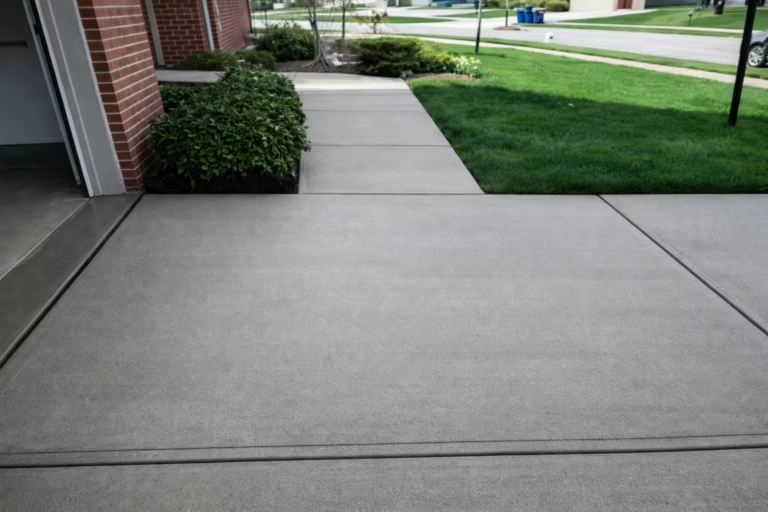
Freshly sealed concrete driveway at an Indianapolis suburban home

While sealers offer significant benefits, especially when paired with staining, it is crucial to understand that for ultimate durability and protection, coatings generally outperform common sealers. This is a critical distinction that can impact the longevity and maintenance requirements of your concrete surfaces.

Beyond the Sealer: A Robust Protective Layer

Concrete coatings, such as epoxy, polyaspartic, or polyurea systems, are designed to create a much thicker, harder, and more resilient barrier than typical sealers. They are not merely repelling moisture; they are forming an almost impenetrable shield.

Superior Physical Damage Resistance

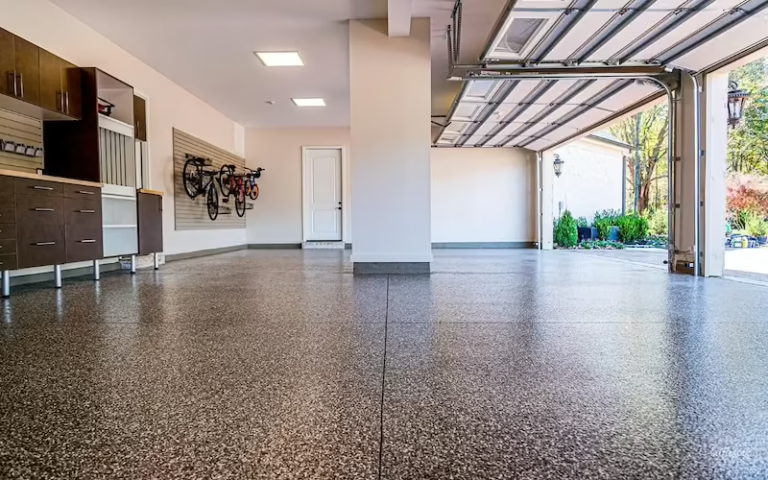
You will find that coatings provide superior protection against physical damage. This includes resistance to impact from dropped tools, abrasion from heavy foot traffic or vehicle tires, and general wear and tear. This is a significant step up from most sealers, which, while offering some protection, are not engineered for the same level of impact or abrasion resistance. For high-traffic areas like garages, commercial floors, or industrial settings, coatings are the clear choice.

Enhanced Chemical and Stain Resistance

Coatings also offer a far greater degree of chemical and stain resistance. They are formulated to withstand spills from automotive fluids, strong cleaning agents, acids, and other aggressive substances that would quickly degrade or permanently stain a sealed (but uncoated) concrete surface. This makes clean-up significantly easier and prevents long-term discoloration.

Superior UV Stability

Many high-quality coatings, especially polyaspartic and polyurea, possess excellent UV stability. This means they are highly resistant to yellowing, fading, or chalking when exposed to sunlight, making them ideal for outdoor applications like patios, pool decks, and driveways, where sealers might eventually degrade under intense UV exposure.

Lifespan and Reapplication Cycle

One of the most compelling advantages of coatings is their extended lifespan. While typical sealers might require reapplication every 2-5 years, depending on the type and traffic, well-installed coating systems can last 10-20 years or even longer with proper maintenance. This dramatically reduces the long-term cost and inconvenience of reapplication. In essence, while the initial investment might be higher, the total cost of ownership often favors coatings due to their superior durability and extended service life.

When considering the best options for enhancing and protecting your concrete surfaces, understanding the difference between concrete staining and sealing is essential. A helpful resource that delves deeper into these techniques can be found in an article from SealNow, which outlines the benefits and applications of each method. For more information, you can read the article here. This knowledge can guide you in making informed decisions for your concrete projects, ensuring both aesthetic appeal and durability.

Sealed vs. Polished Concrete

Factors Concrete Staining Concrete Sealing
Appearance Changes the color of the concrete Enhances the natural color of the concrete
Protection Provides some protection against stains and wear Forms a protective layer against stains, water, and UV damage
Application Requires thorough cleaning and etching before application Can be applied to clean, dry concrete
Maintenance May require reapplication every few years May need to be reapplied every 1-3 years

When considering durable concrete finishes, you’ll inevitably encounter discussions around sealed concrete (specifically “grind-and-seal”) and true polished concrete. Each offers distinct advantages and drawbacks that you should weigh carefully.

Grind-and-Seal: Affordability and Quick Application

The “grind-and-seal” method involves mechanically grinding the concrete surface to remove imperfections and create a smooth profile, followed by the application of a topical sealer.

Cost-Effectiveness

You’ll find that grind-and-seal is generally a more budget-friendly option compared to full mechanical polishing. The labor and equipment requirements are less intensive, translating to lower upfront costs. This can be a compelling factor for projects with tighter financial constraints.

Faster Project Completion

The process of grinding and then applying a sealer is also significantly quicker than the multi-stage process of polishing. If you have a strict timeline or need to minimize downtime for a commercial space, grind-and-seal offers a faster turnaround.

Good Stain Resistance

When a high-quality topical sealer is used, the grind-and-seal method provides good stain resistance. The sealer forms a protective barrier on the surface, making spills easier to clean and preventing penetration into the concrete.

Potential for Wear and Re-sealing

However, a key trade-off is the sealer’s vulnerability to wear. As it is a topical layer, it can scratch, scuff, or abrade, in high-traffic areas. This wear can diminish its appearance and compromise its protective qualities over time. Consequently, you will likely need to re-seal the surface periodically, every 2-5 years, depending on the traffic and type of sealer used. This ongoing maintenance cost and effort should be factored into your decision.

Polished Concrete: Long-Term Durability and High Performance

True polished concrete involves a multi-step mechanical process of grinding, honing, and polishing the concrete surface using progressively finer abrasive grits until the desired level of sheen and smoothness is achieved. Often, a chemical densifier is applied during the process to harden the concrete and prepare it for the final polishing stages.

Exceptional Hardness and Longevity

When you opt for polished concrete, you are investing in an extremely durable floor. The process itself densifies and strengthens the concrete, making it inherently harder and more resistant to abrasion and impact than sealed concrete. There’s no topical coating to delaminate or wear away; the surface itself is the finish. This results in an exceptionally long lifespan, often measurable in decades, with minimal need for reapplication of any kind.

Superior Aesthetic and Reflectivity

Polished concrete offers a premium, high-end aesthetic. Depending on the level of polish, it can range from a satin finish to a mirror-like shine, significantly enhancing light reflectivity in a space. This can reduce the need for artificial lighting and create a brighter, more open environment.

High Upfront Cost

The intensive, multi-stage nature of polishing means it is typically more expensive upfront than grind-and-seal. The specialized equipment and skilled labor required contribute to the higher initial investment.

Internal Stain Resistance (with guards)

While polished concrete is inherently denser and less porous than unpolished concrete, it can still benefit from specialized “guards” or penetrating stain protectors. These are not topical sealers in the traditional sense but rather formulations designed to penetrate the densified surface and provide enhanced stain resistance without altering the appearance or sacrificing breathability. These guards work to fill microscopic pores, making the surface even more resistant to spills and common contaminants.

Low Maintenance (but not no maintenance)

Polished concrete is renowned for its low maintenance. It doesn’t require stripping and waxing, and daily cleaning is generally simple. However, it’s not entirely maintenance-free. Regular cleaning with a pH-neutral cleaner is essential, and occasional reapplication of a protective guard may be recommended, particularly in high-traffic commercial settings, to maintain optimal stain resistance and shine.

When considering the best options for enhancing and protecting your concrete surfaces, understanding the differences between concrete staining and sealing is crucial. While staining adds color and can enhance the natural beauty of the concrete, sealing provides a protective layer that helps prevent damage from moisture and stains. For a deeper dive into the benefits of decorative sealers and how they compare to staining, you can explore this informative article on decorative sealers. This resource will help you make an informed decision based on your specific needs and preferences.

Stains vs. Paint: A Look at Longevity and Maintenance

When considering adding color to your concrete, you’ll inevitably contrast stains with paint. While both can introduce color, their performance, appearance, and long-term maintenance profiles are distinctly different.

Concrete Stains: Enduring Color, Low Upkeep

As you’ve seen, staining is about infusing color into the concrete itself. This fundamental difference drives its advantages over paint.

No Peeling or Chipping

A significant advantage of concrete stains is that they do not peel, chip, or flake. Because the color is either a chemical reaction within the concrete or absorbed into its pores, there is no surface film to delaminate. This translates to a superior aesthetic lifespan and lower maintenance for you.

Long-Lasting When Sealed

When properly sealed, stained concrete offers exceptional longevity. The sealer protects the infused color from wear, UV degradation, and staining, ensuring that the aesthetic appeal you created endures for many years. The minimal maintenance required typically involves periodic reapplication of the sealer, not the stain itself. You’re typically looking at enhancing the concrete’s natural texture, not covering it.

Enhances Natural Texture

Stains, particularly acid-based ones, are translucent. They allow the natural variations and texture of the concrete to show through, creating a more organic and refined appearance compared to the opaque, uniform coverage of paint. This enhances the depth and character of the surface.

Concrete Paint: Initial Savings, Frequent Issues

Concrete paint, often a latex or epoxy-based product, is applied as an opaque layer on the surface.

Lower Initial Cost

You might find that concrete paint has a lower initial purchase price compared to some staining and sealing systems. This can make it an attractive option for budget-conscious projects, especially if you’re tackling it as a DIY job.

Uniform Color Coverage

Paint offers complete, opaque coverage, allowing you to achieve a solid, uniform color that masks underlying imperfections in the concrete. If you want a perfectly consistent, single-color surface, paint can deliver this immediately.

Prone to Chipping and Peeling

The major drawback of concrete paint is its tendency to chip, peel, and flake over time. Because it forms a film on the surface, it is vulnerable to adhesion issues, especially under heavy traffic, exposure to moisture, or due to inadequate surface preparation. Once it begins to chip, the aesthetic is quickly compromised, and repairs can be difficult and visually jarring.

Frequent Touch-Ups and Reapplication

This susceptibility to damage means you’ll likely need frequent touch-ups and reapplication to maintain an acceptable appearance. This ongoing maintenance adds to the long-term cost and effort, often negating the initial savings. You may find yourself spending more time and money on reapplying paint than you would on periodically re-sealing stained concrete.

Making Your Decision: Considerations and Best Practices

As you navigate the options of staining, driveway sealing, or coatings, several factors should influence your final decision. Consider your project’s specific needs and your long-term expectations.

Project Location and Traffic

Where is the concrete located? An indoor, low-traffic area like a basement floor will have different requirements than an outdoor patio exposed to the elements or a garage floor subjected to vehicle traffic and spills. High-traffic areas will demand more durable solutions, often leaning towards coatings or polished concrete.

Desired Aesthetic and Budget

What look are you trying to achieve? A natural, mottled appearance suggests acid stain. A consistent color points to water-based stain or even paint (with its associated trade-offs). How much are you willing to invest upfront, and what are your expectations for long-term maintenance and durability? Remember that cheaper initial options often lead to higher long-term costs in repair and reapplication.

Surface Condition and Preparation

The existing condition of your concrete is critical. Stains and sealers work best on clean, structurally sound concrete. If your surface has significant cracks, spalling, or existing coatings, you’ll need to address these issues first. Proper surface preparation—cleaning, grinding, and etching—is non-negotiable for the success and longevity of any chosen finish. Skipping this step often leads to premature failure, regardless of the quality of the product.

Professional vs. DIY

While some sealing and staining products are marketed towards DIY enthusiasts, complex staining effects or the application of high-performance coatings often benefit significantly from professional expertise. Professionals have the right equipment, experience, and knowledge of product chemistry to ensure optimal results and longevity. For intricate designs or large areas, considering professional installation might save you time, effort, and costly mistakes in the long run. If you’re not sure whether your existing concrete is due for treatment, watch for the common signs your driveway needs to be sealed.

By carefully evaluating these points, you can confidently choose the concrete finishing strategy that best suits your needs, ensuring a protected, and durable surface for years to come.

Quick Quote

Ready to Stain or Seal Your Concrete?

Seal Now serves homeowners across Indianapolis and Central Indiana with professional concrete staining and sealing backed by our 25-year guarantee. Whether you’re refreshing a faded driveway, protecting a new patio, or transforming a pool deck, our team handles prep, application, and finish. Call (317) 548-2002 or request a free Quick Quote.

FAQs

What is the difference between concrete staining and sealing?

Concrete staining involves applying a colored stain to the surface of the concrete to change its appearance, while sealing involves applying a protective layer to the concrete to prevent moisture and other substances from penetrating the surface.

What are the benefits of concrete staining?

Concrete staining can enhance the appearance of concrete by adding color and depth, and it can also provide a more natural and organic look compared to paint or other coatings. Staining can also help to hide imperfections in the concrete.

What are the benefits of concrete sealing?

Concrete sealing provides a protective barrier that helps to prevent moisture, oil, and other substances from penetrating the surface of the concrete. It can also help to reduce dusting, staining, and deterioration of the concrete.

Can concrete staining and sealing be used together?

Yes, concrete staining and sealing can be used together to achieve both aesthetic and protective benefits. Staining can be done before sealing to add color and depth, and then sealing can be applied to protect the stained surface.

Which option is best for my concrete surface: staining or sealing?

The choice between staining and sealing depends on your specific surface and goals. In practice at Seal Now: patios and pool decks are the most common candidates for staining, where homeowners want to transform the look of a visible outdoor space. Driveways and walkways are typically sealed for protection rather than stained. If you want both color and protection, a stain followed by a sealer gives you the best of both.

Ready to Protect Your Investment?

Get a free, no-obligation estimate from Central Indiana's trusted sealing experts